Monday, March 23, 2015

The Iron Rose 1973

Happened to watch "The Iron Rose" a surreal horror film directed by Jean Rollins, on a rather windy Sunday. Jean Rollins is a known European film director, who made several horror films on Vampires (female vampires get special attention from him) most of which follow the conventions of horror films with extra gore and sleaze. I watched "The Lips of Blood" by the ame director a few years ago and there was not much in it that left a lasting impression on me, maybe I will see the movie again just to recapitulate the contents. I have always regarded films as a medium of entertainment and as well as a medium of art. I can watch a thriller, a comedy and an action movie but I also love films that go beyond the usual entertainment and present themselves as art forms which are rich in visuals, themes and symbolism just like a beautiful painting that can be interpreted in several different ways. Like in Michelangelo Antonioni' movie "Blow Up" where a character, who is a painter tells his friend that when he starts his work he has no aim or direction in his mind but when he completes it, he steps back and tries to interpret his own work. Similarly, a movie should be a work of art that makes the audience think, forces them to draw their own inferences and interpretations and keeps them busy talking about them for perhaps years and as such, these movies do not go stale anytime and with every viewing, you uncover something new something more subtle.

The movie starts with a young poet meeting a young girl at a wedding dinner and needless to say, is attracted by her. Both of them plan to meet and on the man's insistence, they plan to spend the day picnicking in an old, decrepit cemetery that has been lying in wasteful neglect for years as fallen leaves, overgrown shrubs, disheveled grave markers and rusting iron fences indicate.


Making their way through the overgrown vegetation, they chance upon a crypt (an underground burial chamber) they descend into, to spend some intimate moments. By the time they come out of the crypt, they find that Sunset has already happened and that it is all cold and dark with presumably only these two persons in the vast cemetery. They go about find their way back to the exit but looks like they reach everywhere in the cemetery except the gates. As they run around, frantically trying to retrace their steps back to the exit, the girl's courage starts to give away, while the man, not wanting to show his mounting confusion and nervousness tries to put up a sense of control over the situation and soon after they descend into the blame game and the girl tries to flee in panic only to be followed by the man, who tries to, in a sense, molest her which stops after emotions have subsided and reality dawns on them once again.

Then all of sudden, the girl who was panicking at the idea of being lost in a huge decrepit cemetery suddenly finds peace with its morbid surroundings and starts to poetically romanticizing about the death and how the dead have become their "friends" and that there is nothing to fear. This sudden change in the girl's behavior causes the man to panic and flee and in the dark he falls into an abyss that we later find out is a open mass grave strewn with skulls and bones of those who were interred in it. The girl comes along and helps the man out of the pit. While the man is in a state of shock, the girl seems to be perfectly enjoying being in the creepy environs of the cemetery and she even secretly transports a human skull from the pit the man had fallen into.


The man realizes that he left his wrist watch in the crypt they spent their time in and goes in it to retrieve it, the girl shuts the crypt's door and then goes around ballet dancing in the cemetery amidst the fog, the tombstones, the crosses and sculptures of Cherubs in the dark of the night, which needless to say gives an eerie and very disturbing feel to the whole sequence. As the dawn break, the girl goes back into the crypt, where her now-dead boyfriend is and shuts the door.

The film is not for mass consumption as there is hardly any character development, any story or a even a hint of a plot. There are no ghosts, witches, flesh eating ghouls or the walking dead (zombies). There are no slit throats, no fountains of blood, no dismembered body parts or anything one would associate with a horror movie. Actually, the horror plays in the minds of the characters and in the minds of the audience. The night time photography is excellent and the director succeeds in creating a calm yet dreadfully beautiful. There are some scenes and characters that do not make sense at all and there are something that look out of place. Like the wedding dinner at the start of the movie, where the man spots this woman but looks like no else notices the girl and her presence and in individual shots she is the only person in the frame suggesting that there is a physical disconnect between her and the rest of the world. If one wants to watch a film, please approach it has a piece of artwork on celluloid and not as a film for entertainment. The things are not laid out and explained and the director leaves it to the viewers to arrive at their own conclusions.

(Images: Google)

Saturday, July 26, 2014

मुर्दों का टीला - रांगेय राघव

रांगेय राघव हिंदी साहित्य के रत्न थे। मात्र ३९ वर्ष के जीवन में उन्होंने साहित्य की उन ऊँचाइयों को छुआ। राघव का नाम काफी साल पहले सुना था लेकिन अब तक उनकी कोई रचना नहीं पढ़ी थी लेकिन अभी अभी उनकी उत्कृष्ट रचना "मुर्दों का टीला" का समापन किया। सिंधु-घाटी की सभ्यता के नगर मोअन-जो-दरों (Mohenjodaro) पर आधारित यह रचना, हिंदी साहित्य में एक प्राचीन, भूली-बिसरी नगर सभ्यता का सजीव चित्रण करती हैं। १९४६ में लिखी गयी यह रचना उस समय के पुरातात्विक उत्खनन, खोज और अध्ययन पर आधारित हैं। लगभग ७० वर्ष के विशाल अंतराल में, उस समय की मान्यताएँ या तो बदल चुकी हैं या फिर खारिज हो चुकी हैं और इतने ही वर्षों में नयी खोज, उत्खनन के चलते इस गुमनाम सभ्यता में प्राप्त जानकारी में काफी वृद्धि हुई हैं। सिंधी भाषा में "मुआ" मरे या मृत व्यक्ति, मुर्दा, वस्तु के सम्बोधन के लिए प्रयुक्त होता हैं और "मोअन" "मुआ" शब्द का बहुवचन हैं। "दरो" का अर्थ हैं "टीला"। बीसवीं शताब्दी के शुरूआती दौर में यहाँ पर पुरातात्विक खुदाई की शुरुआत हुई। इससे पहले इस स्थान के आस पास के निवासी, इस प्राचीन नगर की ईंटें का प्रयोग अपने भवन इत्यादि के निर्माण में प्रयुक्त करते थे। ईंटें निकालते समय, खुदाई करने वालों को नर-कंकाल मिले, जिसके चलते इस स्थान का नाम "मोअन-जो-दरो" पड़ गया अर्थात मुर्दों का टीला। अब इस नगर का वास्तविक नाम क्या था, यह अब इतिहास और भूतकाल के अँधेरे में कहीं खो गया हैं। भारत का पुरातात्विक सर्वेक्षण विभाग आज भारत में और जगह भी उत्खनन कर रहा हों जिससे इस सभ्यता के बारे में मिलने वाली जानकारियां बढ़ रही हैं लेकिन इस जानकारी का राजनैतिक लाभ के चलते इसका शोषण, संशोधनवाद और भगवाकरण के चलते, इतिहास को तोड़-मरोड़ कर अपने राजनैतिक और राष्ट्रवादी प्रचार के लिए किया जा रहा हैं।


"मुर्दों का टीला" मोअन-जो-दरो पर आधारित एक काल्पनिक उपन्यास हैं जो समय के जीवन-शैली , धर्म, व्यापर, कला, अध्यात्म इत्यादि पर प्रकाश डालती हैं। उपन्यास के चार मुख्य पात्र हैं मणिबंध जो कि विदेश से वर्षों बाद व्यापार करके, अकूत धन-सम्पदा अर्जित करके वापस मोअन-जो-दरो आया हैं। दूसरी पात्र हैं मणिबंध की मिश्री (Egyptian) दासी नीलूफ़र जो मणिबंध द्वारा मिश्र के दास बाज़ारों में मोल-तोल कर खरीदी गयी सुन्दर महिला थी। नीलूफ़र के आकर्षक रूप से अभिभूत होकर मणिबंध उसे अपनी स्वामिनी बनाने का वचन देता हैं। इसी बीच उत्तर के हरप्पा नगर से एक प्रेमी दम्पति का मोअन-जो-दरो में आगमन होता हैं, जिनकी आर्थिक स्थिति बेहद विकट और भिक्षा इत्यादि से किसी तरह काम चलते हैं। पुरुष (विल्लिभित्तूर) एक अभूतपूर्व गायक हैं और साथ ही एक अति-आदर्शवादी व्यक्ति भी हैं और महिला (वेणी) एक नृत्यांगना। मणिबंध नृत्यांगना पर आसक्त हो जाता हैं और यहीं से प्रेम, प्रतिद्विंदिता, ईष्या, छल-कपट, सत्ता और शक्ति के वर्चस्व के लिए संघर्ष की गाथा शुरू होती हैं। लेखक ने चरित्रों, घटनाओं, वातावरण का इतना शक्तिशाली और सजीव चित्रण किया हैं की ये सब पाठक के मन में पूरी तरह से आभासी वास्तविकता की तरह छा जाते हैं और यह उपन्यास एक चलचित्र के भाँती पाठक के मन की आँखों के सामने से निकल जाता हैं। उपन्यास के अन्य लघु पात्र हैं हेका, जो नीलूफ़र की मित्र हैं और उसी के साथ साथ बचपन से धनवानों द्वारा खरीदी बेचीं गयी और इनके साथ हैं एक अश्वेत अफ़्रीकी दास अपाप, जो हट्टा-कट्टा बलशाली हैं। दूसरा लघु पर उतना ही महत्वपूर्ण पात्र हैं मणिबंध का अत्यंत विश्वसनीय और निकटतम मित्र और सलाहकार, एक मिश्री वृद्ध आमन-रा, जो वाक्पटु, बुद्धिमान और जीवन भर का अनुभवी होने के साथ साथ अत्यंत क्रूर, निर्दयी एवं धूर्त हैं।


यह उपन्यास शुरू में अपना समय लेते हुए चरित्रों के भीतर जाकर उनके प्रेम, आशा, ईष्या, सुख, दुःख, भय, स्वार्थ से परिचित करता हैं। उपन्यास उस समय और अधिक गति पकड़ता हैं जब खानाबदोश आर्यों का समूह हरप्पा नगर पर आक्रमण करके और कड़े युद्ध के बाद उसे पराजित कर, वहां के मुख्य गण को अपना दास बना लेते हैं।


इस उपन्यास के कुछ रोचक एवं आकर्षक बिंदु हैं :


# लेखक द्वारा वर्णित नर्तकी के प्रथम बार किये गए नृत्य का वर्णन, जिसमे वह अपना बायां पैर उठाती हैं, वह मोअन-जो-दरो की खुदाई के दौरान मिली कांस की ६ इंच की नर्तकी की मूर्ती का स्मरण करता हैं जो की अब Dancing Girl के नाम से विश्व-विख्यात हैं।


# उपन्यास में नगर की प्रसिद्द नालियों की संरचना का वर्णन हैं और कैसे मोअन-जो-दरो विश्व के बड़े से बड़े साम्राज्यों जैसे की मिस्र, सुमेर, एलाम इत्यादि, से व्यापार इत्यादि करता था।


# मोअन-जो-दरो की शासकीय व्यवस्था व्यक्ति-केंद्रित न होकर शासन व्यवस्था गणों के हाथों में थी जो खुद नागरिक होने के साथ साथ व्यापारी भी थे।


# दास/दासियों की दशा पशुओं मात्र रत्ती भर बेहतर थी। नागरिकों को लगता था दास उनकी सेवा और उनके द्वारा शोषण के लिए ही बनाये गए हैं और दास भी सोचते थे की दास दास ही रहते हैं और स्वामी स्वामी ही हो सकता हैं।


# सुमेर, मिस्र, एलाम के विद्वानो में ब्रह्माण्ड, जीवन की उत्पति, देवों को लेकर द्विन्दात्मक तर्क-वितर्क।


# आमन-रा द्वारा मणिबंध को सत्ता और शक्ति के महत्व को समझाना।


अंत में यह उपन्यास केवल के काल्पनिक हैं इससे इतिहास मान लेना गलती होगी परन्तु अगर पाठक थोड़े ही देर के लिए इस उपन्यास को इतिहास का वर्णन मान ले तो कोई भी अतिश्योक्ति नहीं होगी।

Tuesday, January 7, 2014

GSLV Launch: A New Era For Indian Space Program


The successful launch of the ISRO’s prestigious GSLV series launch vehicle, the GSLV D5, on January 5th 2014 heralds a new era in the Indian space program. We all know that India Space and Research Organization (ISRO) has been designing, manufacturing and sending satellites up in the space for a very long time, spanning four decades. Sending the satellites up in the orbit is an arduous task and initially, India used the launching facilities of French/Russian and European Space Agency’s facility for satellite launches, which was getting costlier as the time passed. India decided to go ahead with its own satellite launchers and progressively over the years, it went step by step and came out indigenous version of launch rocket, the Polar Satellite Launch Vehicle (PSLV). PSLV is a sparkling success for ISRO, which has a total of 25 launches its credits out of which only two were unsuccessful. PSLV though a very efficient and a reliable rocket, is not strong enough to carry and put heavier payloads i.e. more than 1.5 tons, into the orbit. Most of the communication satellites these days are heavy pieces of equipment weighing more than 2 tons. Having to use expensive launch facilities in Europe/US, which was a drain on the national FOREX reserves too, India had no option but to concentrate on the development of an indigenous rocket capable of carrying heavier payloads into orbits. The PSLV was not capable of the handling the job that was beyond its design and performance capabilities. The Indian scientists at ISRO started to work towards designing and developing an indigenous rocket that was much more powerful than the PSLV and was capable of putting heavier satellites.


ISRO came up with a new rocket design, named Geo-Synchronous Launch Vehicle (GSLV), which is capable of lifting and putting heavier satellite on higher orbit. Most of the geo-synchronous satellites operate at orbits which are more than 35,000 kilometers above the Mean Sea Level (MSL) and they orbit at a speed so that they just appear to hovering above the same point on Earth all the time. As it is obvious, the launch vehicle needs to have a lot of fuel to carry heavier satellites, which themselves carry fuel to transport themselves to the higher geosynchronous orbits. Here, in this scenario, solid fuel and liquid fuel stage engines become inefficient. Owing to the energy and produced and thrust required, one would need lot of fuel to burn and that will, in return, add to the total weight of the launch vehicle, making it more heavier. To get around this problem, space agencies in USSR/US/Europe developed cryogenic engines, which use liquid hydrogen and liquid oxygen stored at very low temperatures. When these are burnt, the rapid expansion of these gases provide far more greater thrust per unit of fuel carried than the conventional solid and liquid fuels. ISRO took around 20 years to develop its own indigenous cryogenic engine that is based on the staged combustion cycle model, which is more powerful compared to other cryogenic designs namely the gas generator cycle and the expander cycle, which require less fuel but are less powerful than the staged combustion cycle model. ISRO designed the staged combustion cycle model and it took them almost two decades to design, test and perfect their version of the cryogenic engine, which is an amazing feat in itself. Though, I would like to point out here that this GSLV D5 flight was only an experimental flight (for testing the cryogenic engine stage) as first stage and the second stage are derivatives of the corresponding stages of the PSLV rocket design. This cryogenic engine, classified as CE-7.5 has the thrust power of 75 kiloNewtons (kN). ISRO will now have an efficient, tested reference model to develop the next phase of cryogenic engine, the CE-20, which will have the thrust power of 200kN. Currently, all the nations in the world are making cryogenic engines with thrust power in the region of 200kN. Perhaps, with GSLV MK-III, India would be able to put an astronaut or a group of astronauts in Low Earth Orbit (LEO) and perhaps then it can send spacecraft and assorted payloads like landers, atmospheric probes to other planets, bypassing the slingshot method through a series of orbit raising maneuvers, by placing the crafts directly onto the trans-planet-injection orbit.


All of us knew that ISRO makes satellites and sends up rockets, some of which bear the ignominy of crashing down to Earth sooner than expected, but it was never in the news for exciting stuff. NASA/ESA grabbed more attention with their sophisticated inter-planetary missions and low earth space shuttle missions, while ISRO on the other hand dealt with unexciting stuff of manufacturing and sending satellites for remote sensing, surveys, weather forecasts and communication, which no doubt is a silent yet critical achievement of our space program. One of the other better things ISRO has done lately is that they are using social networking webs sites like Facebook and Twitter as a part of their public outreach program. They have currently two pages on Facebook, one being for the updates and information on the Mars Orbiter Mission (Mangalyaan) and other one is the India Space and Research Organization that provides information and updates on the other ISRO projects. This move has attracted a lot of people from different walks of life, especially the youngsters and they have huge fan following that goes up to the region of three hundred thousand followers and the number is still ticking. Rocket technology for me, was never this interesting, where your questions are answered by the scientists and the engineers from ISRO. This should have been long done but given the publicity ISRO received for its Mars mission, suddenly ISRO has become a the most talked after thing on the internet for Indians but sadly below Tendulkar, Modi and Big Boss serial but I am positive that this is a good start. Such missions encourage young minds to become inquisitive and to develop a scientific outlook and to take up science subjects and contribute towards the technological innovations for the betterment of the people and the society. I hope ISRO continues to strive for the greater welfare and benefit of the common people of the country and they have shown that with honest hard work, true determination and grit, one can move the mountains.


In end, I would not like to see ISRO projects disparagingly termed as mere "political gimmicks". They may be gimmicks for the politicians in power but for the thousands of engineers and scientists who work on these projects, the successful missions are testimonies of the triumph of human spirit and determination against every conceivable obstacle. ISRO Chairman went to Tirupati before the launch of Mangalyaan that caused a lot of flutter, but now he should realize that human achievements are dependent on our hard work and will to succeed and not on God’s grace.

Monday, August 26, 2013

Is Digital Technology Harming Us?

Is digital technology making us dumber, or should we say are losing our skills because of our one dimensional approach towards digital technology? I was having this discussion with my friend over dinner in a restaurant. Though, the conversation did not extend much beyond a few opinions exchanged, but it has given us some food for thought for the time being. While, it is true that newer technology must be embraced, it is also important that we keep our command over other skills that were present before their digital avatars or digital alternatives arrived. Case in the point being, things like writing with a pen, writing and posting letters to friends and relatives with exception for using them in more formal communication like business and jobs instead of emails. The proponents of digital technology claim that newer the technology, the faster it is and hence more efficient as we save more time and perhaps money and there is no doubt in accepting this truth. Earlier, information was hard to get and was available through the periodicals, newspapers, local libraries etc. Now, we can access any information through the click of a button on our latest PCs and laptops from the comfortable confines of our homes. Emails are sent and responses are received almost instantaneously in most of the cases. 

I am of the opinion, that technology should make our job, our chores easier to do instead of making us wholly reliant on it, while we, in turn lose skills that are critical at personal and person to person level. The technology has also negatively affected our attention span and has reduced us to being social recluse. We are in the crowd but most of the the times we are hypnotically gazing into our tiny and personal boxes of technological wizardry than with any real person to person interaction. For example, a group of friends sitting together and checking their smartphones, while waiting for the food to be served on their table in the restaurant and such a behavior is not only limited to public places but also at homes where people do not mind checking their smartphone, when at someone's place for a gathering. Instead of using the technology to our advantage, we are sadly letting technology to frame the personality of our social behavior as well as our own inherent personality. 

So, when did I realize myself that I have become a victim of advanced technology? One day, a colleague brought me a paper on which I had hand written a note. He wanted to me clarify as to what I had written and imagine my embarrassment, when I myself could not figure out what I had written. It was one of the most embarrassing moments in a long time. My hand writing had deteriorated over the years ever since I started using computer assisted writing, to the point of almost being termed as ineligible. That day, I made up my mind not to rely on virtual words that I type on my laptop/PC screen and I need to go back and re-discover the art and skill of handwriting and perhaps make my life more analog (more physical and more mechanical) than digital, where ever possible.

Friday, May 10, 2013

Film Review: Once Upon A Time A Revolution aka Duck You Sucker


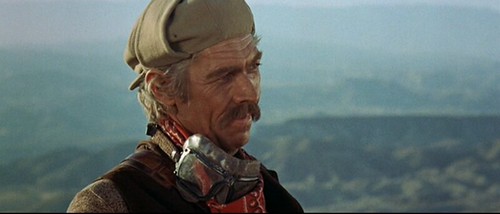
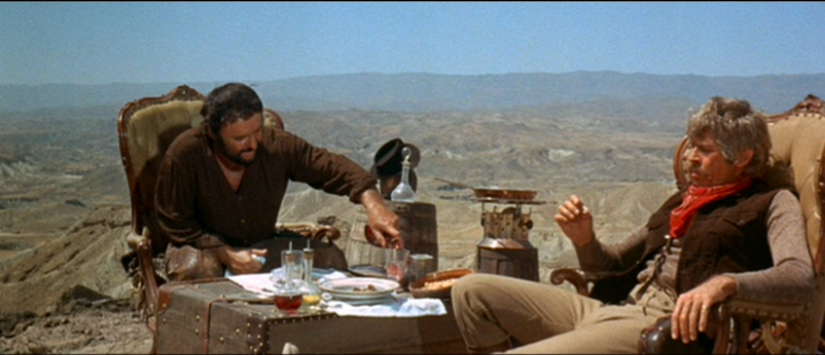
“Duck You Sucker” or DYS, was Sergio Leone’ second movie in the “Once Upon A Time...” series. The first one being the 1968 movie, “Once Upon A Time in the West” which starred the legendary actors Henry Fonda, Charles Bronson, Jason Robbards and Claudia Cardinale. Duck You Sucker was originally titled “Once Upon A Time A Revolution” but the American studios decided against the title because they thought the title was too “Leftist”. DYS was released in 1971 and it stars James Coburn and Rod Steiger as the dual main leads. Many film critics and Leone fans have regarded DYS as Leone’s first Zapata western, which is a sub-genre of westerns that are set in the times Mexican revolution of the 1920s. Sergio Leone is known more for his “Dollar Trilogy” namely “A Fistful of Dollars”, “For A Few Dollars More” and the epic “The Good The Bad and The Ugly” and the “Once Upon A Time In The West” and this movie happens to be his lesser known film. The musical score in the movie was provided by the famous music director and a class-mate of Leone since his early school days, Ennio Morricone, who had also composed soundtracks for his earlier films. For some reason, DYS is a hugely underrated film that does not enjoy the popularity of Leone’ other films. Not that it is any inferior in any sense of the word, compared to his other works, in fact it stands on its own and completely alone.


The film begins with a poor Mexican peasant getting a ride in a luxurious horse driven omnibus, passing through the dry and arid Mexican landscape. He is ridiculed by the upper class bourgeoisie passengers, who mock him for being an uneducated, uncultured, undiscerning fool and as one of the passengers says “unfortunate brutes”. The whole stagecoach sequence is powerfully shot and acted. Leone through his impeccable directorial style articulately depicts the relationship between the feudal bourgeoisie and the clergy in relation to that of the poor and the down-trodden masses and how they view them, sitting in comforts of their ivory towers, as nothing more than animals fit for exploitation for their own satisfaction of their greed and advancement of their wealth and property.


Juan Miranda (Rod Steiger) is a ruthless but a bumbling yet a likable bandit chief. He has one big dream, the only goal in his life and that is to rob the Bank of Mesa Verde. On his way, he meets an Irish revolutionary on the run, Sean Mallory (James Coburn) who is also a dynamite expert and is wanted by the British government for his involvement in the activities of the Irish Republican Army. Juan understands Mallory’ skills with dynamite and sees him as a valuable asset to his group and his mission to rob the bank of Mesa Verde. After a couple of runs and chases, the two eventually get together and accomplish a successful raid in the bank. Unbeknownst to Juan, he released hundreds of the political prisoners kept in the make shift jail in the Bank of Mesa Verde and he has suddenly become the most famous leader of the revolution. Now whether he wants it or not, he has been sucked into revolution and he has no choice getting out of it much to his personal dismay.


The movie has many subtle themes of friendship, trust, loyalty and faith. For the first time in a Leone film we see characters undergoing a change in their innate personality. Juan undergoes transformation from being a greedy and a ruthless bandit to a fighter participating in a revolution. The film does not have heavy dialogues, no boring political commentary, no needless sermonizing but only situations and how they have profound effect on us and how they force us to think and act differently.


Leone, who grew up in Fascist Italy under the rule of Benito Mussolini, was a sympathizer of the leftist cause, leaves no room to express his distaste for those “pseudo-leftists” and “pseudo-revolutionaries”. In one scene in the film, a character remarks “People who can read books tell people who cannot read books, that time for change has come. They talk and talk, eat and eat and what happens to the poor people? They are dead!”. 


Also to note is the Sergio Leone' use of artistic impressions of “Surrealism”. Sergio Leone was no doubt a product of the new wave movement of neorealism in Italian cinema post WWII. Sergio Leone was also a great admirer of the works of surrealist painters such as Giorgio Di Chirico and Salvador Dali and tried to incorporate the surrealist art in his movies starting from “The Good The Bad And The Ugly” to “Once Upon A Time In The West” and then again in “Duck You Sucker”. The film has all the trademarks of Sergio Leone, the extreme close ups of face and the eyes of the actors, use of arid, desolate landscapes, use of non-actors, minimalist dialogues, sudden gun fire etc. Of course, no mention of a Leone film is complete without the mention of film’s soundtrack and its composer Ennio Morricone. “Gui La Testa”, “Invenzione Per John” and “March Of The Beggars” are some of the best tracks ever composed for a film. “Invenzione Per John” is just a superb composition that would take a listener to a completely different plane of consciousness and the composition is the very heart of movie. Perhaps it is “Invenzione Per John” that makes the movie more than ever likable  It is hypnotic, it is soothing and it is calming and yet at the same time it arouses your creative instincts.


In all Duck You Sucker is a movie that is paced enough from the beginning. It takes its own time for characters and situations to develop and though it may slow down a bit in intervals but that is hardly noticeable. This is one Leone movie that needs to be seen by one and all along with his other well-known movies. 

All Images Courtesy: Google.

Tuesday, March 12, 2013

हिन्दू धर्म के समाज सुधारक आन्दोलनो का यथार्थ

अक्सर धर्म/मज़हब को लेकर जब मित्रों, रिश्तेदारों, विभिन्न संवाद मंचों के सदस्यों से वाद-विवाद होता तो मैंने अक्सर देखा हैं की समाज सुधार आन्दोलन वाली बात को हिन्दू धर्म की एक विशिष्टता के रूप में देखा जाता हैं। आदि शंकराचार्य, रामानुजाचार्य, स्वामी दयानंद सरस्वती, स्वामी विवेकानंद, रामकृष्ण परमहंस , राजा राम मोहन रॉय इत्यादि का नाम लिया जाता हैं और कहा जाता हैं की जहाँ अन्य धर्मो में संशोधन/सुधार का कोई मार्ग नहीं हैं, वहीँ हिन्दू धर्म में समाज सुधार के आन्दोलन चलाये गए हैं और यह हिन्दू धर्म की उदारता, सहिष्णुता और उसके लचीले होने का प्रमाण हैं।

इस विषय पर, बिना किसी द्वेष/पूर्वाग्रह के बाद गहन से सोचने पर मुझे लगता है की यह कथन बिना किसी ठोस प्रमाण के आज तक काफी हिन्दुत्ववादियों में काफी लोकप्रिय हैं और यह बात समय समय पर हिन्दू धर्म को, अन्य धर्मों से, श्रेष्ठ साबित करने के लिए दोहराई जाती हैं। लेकिन मैं इससे पूर्ण रूप से असहमत हूँ कि इस तरह की सोच किसी ठोस आधार पर खड़ी हुई हैं।

अगर हिन्दू समाज में सुधार के इतने आन्दोलन चले तो क्यों नहीं जाति व्यवस्था ख़त्म हुई? क्यों नहीं दलितों और शूद्रों का शोषण ख़त्म हुआ? क्यों नहीं सवर्णों का प्रभुत्व ख़त्म हुआ? क्यों नहीं हिन्दू महिला को उनके उचित अधिकार मिले? क्यों नहीं धर्म को समाज सेवा के लिए लगाया गया ना कि की समाज के शोषण के लिए? अगर हम बिना किसी पूर्वाग्रह और द्वेष के देखे तो इन तथाकथित समाज सुधारकों का बृहद हिन्दू समाज में कोई प्रभाव नहीं पड़ा। हाँ कुछ शिष्य और कुछ अलग पंथ बन गए पर हिन्दू बहुसंख्यक समाज में इन आन्दोलनो प्रभाव बेहद सिमित रहा, इतना सिमित की अलग अलग छोटे छोटे पंथ बन गए जो समय के चलते कहीं खो गए। आदि शंकराचार्य को शायद समाज सुधारकों की पंक्ति में न खड़ा किया जाए, क्योंकि उनके पूरे जीवन का लक्ष्य था बौद्ध मत के बढ़ते प्रभाव को रोकना और ब्राह्मणवादी व्यवस्था को फिर से भारतीय जनमानस की चेतना में स्थापित करना। दयानद सरस्वती, रामानुजाचार्य, चैतन्य महाप्रभु इत्यादि भी अपनी तरफ से कोशिश की लेकिन वह भी कोई प्रभाव नहीं छोड़ पाए। एक लेख पढ़ रहा था, स्वामी विवेकानंद की जीवनी पर और यह वाकया उस समय का हैं जब वह अपने गुरु रामकृष्ण परमहंस से उन्होंने शायद किसी अति-सुरक्षित पंथ की गतिविधियों के बारे में प्रश्न किया तो रामकृष्ण परमहंस ने विवेकानंद से कहा की जैसे घर के भीतर जाने के एक से अधिक द्वार हैं वैसे ईश्वर तक पहुचने के उतने ही रास्ते हैं, भंगी घर के पिछले दरवाज़े से आता हैं पर तुझे वहां से प्रवेश करने की ज़रुरत नहीं। ऐसा भीषण, दलित/शूद्र विरोधी मानसिकता के लोग समाज में सकारात्मक परिवर्तन कैसे ला सकते हैं और यही रामकृष्ण परमहंस को समाज सुधारक का दर्ज दिया जाता हैं।आजकल के पूंजीवादी युग में तो सुधारकों की बाढ़ से आ रखी हैं जिनके नाम मैं नहीं गिनना चाहता।

हिन्दू धर्म में कोई सामाजिक आन्दोलन इसीलिए नहीं सफल हो सकता क्योंकि जातिवादिता, पितृसत्ता, सामंतिवाद में हिन्दू धर्म को जकड़ा हुआ हैं। हिन्दू समाज सुधार अन्दोलनो ने उसी बासी वृक्ष से ताज़े फल पैदा होने की उम्मीद की जो अब तक केवल सड़े-गले फल ही दे रहा था। जब तक समाज सुधार का आन्दोलन हिन्दू धर्म के दायरे से बाहर जा कर उसपर प्रहार नहीं करता, यह सामाजिक व्यवस्था बदलने वाली नहीं हैं। चाहे रूस की क्रान्ति जो, जिसमे रूसी बुर्जुवा पर निर्मम प्रहार कर उसे धूल -धूसरित किया वहां पर वर्ग रहित समाज को स्थापित किया। अब्राहम लिंकन ने दास-प्रथा के विरोध में अपने देश को गृह-युद्ध की विभीषिका में झोंका। कुछ इसी तरह का सामजिक आन्दोलन भारत में होगा और वह हिन्दू धर्म के दायरे में नहीं लड़ा जायेगा बल्कि उसके खिलाफ, उसकी नींव पर कुठाराघात करने पर ही वह हो पायेगा। हिन्दू धर्म के दायरे में रहकर उसपर जो भी वार किया जाएगा, वह बिलकुल भी प्रभावी नहीं होगा, जैसा की हमारे यहाँ पर कम्युनिस्ट पार्टियां बुर्जुवा लोकतंत्र में भाग लेकर जैसा वह सर्वहारा क्रान्ति ला पाने में असफल हैं, ठीक उसी तरह की सामाजिक क्रान्ति भी दूर की कौड़ी हैं जब तक वह धर्म के दायरे में रह कर करी जाएगी।

Wednesday, October 31, 2012

The Power Of Money - Karl Marx 1844

The Power of Money, an essay written by Karl Marx in 1844, beautifully illustrates the big influence of money in human society and in relationships between the individuals in the human society. Money, which was introduced as a medium of exchange of value, to replace the age old barter system. Barter system was based on people exchanging goods, commodities and services with each other that they perceived to be equal and square in value and utility. The barter system required both the parties to actually produce something that had utility and use for the other party. While, the system was good because it required each member of the society to produce something in order to acquire something else exchange for the produced good. There were times when the system was simply inadequate to determine the value of the commodities exchanged and to make sure that transaction was fair, simple and balanced for both the parties. Money was introduced to overcome this inadequacy of the barter system. A manufacturer, say a weaver could sell cloth for 'n' value and then take the money and buy commodities and goods for himself at 'n' value from another party. This way, the commodity could be sold for a price agreed between the two parties in exchange for a value represented by money, which in turn could be used by the seller to buy commodities and goods as per his needs. The transition from barter system to money based exchange value was a revolutionary step, as it gave freedom to both the buyer and seller to buy and sell things without being bothered to find someone who would exchange the goods for the goods they produced at an agreed value. One could buy yards of cloth and pay the weaver, who could then in turn buy more bales of cotton and silk, plus with extra money buy goods for his and his family's personal use. So far so good. Money played a very convenient role in economy as the medium of exchange and people were at last free to buy things they needed without having to bother to produce something that the seller might be interested in trading his goods with.


So, where did the money begin to change its characteristics and became a medium of influence in the society from its intended purpose of serving as a medium of exchange? The main reason that money went on to become a medium of influence is because of the inherent value associated with it. It has its own value. It can hold on to its value in total isolation and hence it has that innate property to buy everything. If a hungry, homeless man finds a bank currency note of Rs 100. He can instantly buy himself food, clothing and shelter if possible. The "value" equivalent to 100 rupees is intrinsic to that currency note. Karl Marx notes that "Money is the procurer between man’s need and the object, between his life and his means of life." It is because of this characteristic of money, it acquires godly, magical status. A possessor of money becomes respected because 'money' is respected. One who has money is considered worthy, because the "money" he has is considered worthy. A capitalist may not know a single thing about the machinery in his factory, he may not know anything about coding, application development or building/designing hardware but with money he can buy himself people who would work for him and let him appropriate profits. Money also creates "demand". If I want to study I need to have money to pay for my studies and if I do not have money, I have no real demand or desire to study. Such is the nature of money that it dictates whether an individual has a need or does not have a need by the mere virtue of its possession by an individual.

With inputs from Marxist.Org

Monday, July 2, 2012

An Ode To Japanese Film Directors - Part II

When we speak of the Japanese cinema, Kurosawa' name is the one that gets the first mention. While, Kurosawa rightfully gets the due credit for his highly immense and influential contribution to the world cinema, we have to look at the works of his contemporaries, who were as good as Kurosawa, if not better. This writer has not seen much of the Masaki Kobayashi's work apart from Samurai Rebellion, Harakiri and Kwaidan, while Human Condition, an epic war movie, depicting the insanity and the savagery of war, is on the "wish list".

This writer's first introduction to Masaki Kobayashi was through the 1968 flick "Samurai Rebellion". The only reason this movie was picked up, was because it featured actor Toshiro Mifune in the lead (after his parting with Kurosawa post-Red Beard) whose acting mettle had left me indelibly impressed in the earlier Kurosawa movies. The movie also had Tatsuya Nakadai, in an important cameo. The movie is about an aging Samurai (Mifune) who is asked to have his young son marry the wife of the feudal lord, as she had insulted him, earning herself banishment from the clan. After much opposition from Mifune's wife, the family finally have their son marry the ex-wife of the feudal lord. While the new family adjusts itself with their daughter-in-law, the house of the feudal lord demands that she come back and what follows is battle for family pride, honor, love and sacrifice. While, this writer saw many parallels between the styles of Kurosawa and Kobayashi and the movie nonetheless leaves impressed with the story line, acting, editing and directing. If shown to an unknowing audience many will relate this feature to Kurosawa.

Impressed with Masaki Kobayashi's style of story-telling and directing, left this writer wanting for more. The next movie in the line was, Harakiri (Seppuku) released in1962. It is a brilliant masterpiece, that is miles ahead of any other Samurai film made in that era, even Kurosawa flicks might not be close to it by a mile. The film features another great actor from the sixties era, Tatsuya Nakadai, int he lead role and is perhaps one of the finest tragedies ever depicted on celluloid in the history of cinema. If you just wanted a Samurai story perfectly blended with poetic tragedy, this is the movie. The movie starts with an old and half fed, aged samurai swordsman who comes to the house of a feudal family, requesting to commit "Seppuku" or Harakiri. The people of the house of Iye try to discourage him from committing "Harakiri" by recounting the tale of an earlier "Ronin" who came to their place asking to commit harakiri but instead wanted to extract some money out of the house. A "Ronin" is basically a "Samurai" or a "Bushido" but one who has lost his master due to death, defeat in battle etc. With a loss of a pay-master, a Samurai or a Bushido was considered a "Ronin". Many unscrupulous ex Samurais and Bushidos came to the house of rich people asking to perform "Harakiri". Many households abhorred the idea of someone committing suicide in their premises and usually paid money to the Ronins to go somewhere else to do the act. The officer tells the old man the story of a coward "Ronin" was moving around with nothing but a bamboo made sword and to teach him a lesson they "forced" him to commit harakiri with his own bamboo sword and made him suffer a painful, slow and a horrible death. The aged Ronin is still adamant at committing the act of harakiri and the feudal household  heeds his request and they ask him, if he would like any man to act as his second (the samurai who will severe his head when he has cut his entrails) The aged Ronin takes names of three of the members of Iye clan, but as the story unfolds, we come to know that all the second man requested by older samurai are at home, down with some terrible illness, wanting to see or meet none one and that aged Ronin definitely has something up his sleeve.

Harakiri is like an exquisite wine. It takes it own sweet time to go down on you and then it intoxicates and stimulates you with an experience that leaves you satiated at the end. It is tragic tale that hits upon the "established" norms for Samurais and how it was convenient to bend the rules to suit one's own mean ends and that honor was nothing more than a facade for these type of people, to hide their own cowardness, their insensitivities, their false bravado. On the other hand the story deals with tender story of relationship, trust, love and respect.  For any person, interested in eclectic, artful, high standard cinema, Harakiri is one of the top options. Harakiri is also a movie that tells a viewer that Akira Kurosawa, though a brilliant director, was not the only director of huge talent and substance to come from Japan and that there were others too, like Masaki Kobayashi.

Kwaidan, is a collection of four ghost stories, another great masterpiece from Kobayashi. The stories all tell the tales of love, betrayal, bravery, trust, faith, loyalty and inner demons. The first story is of a poor Samurai who leaves his loving caring wife and marries the daughter of rich nobleman. Though he has money and wealth, he has no inner happiness and still longs for his wife. He comes back to his house after several years and finds his wife welcoming him lovingly and joyously and he confesses his true love for her and asks for her forgiveness and vows to start a new chapter in their lives together.

The second story is of young woodcutter (Tatsuya Nakadai) and his friend who get caught in a snow storm and take refuge in an abandoned hut. The hut is visited by a ghost woman (Yuki Onno) at night, who kills his friend but spares Nakadai on the promise he will not spit out a word about the incident. Years later, under some strange circumstances, he recounts the story to his wife and finds out a horrifying truth.

The second story is special because it uses surrealist artwork to serve as backdrops for the scenes, almost giving them a fairytale feel.

The third story is of a blind singer, who sings songs of war that took place in ancient times between the two powerful dynasties in Japan. He is called to sing for a noble family every night and one day when he refuses, the ghosts exact a horrifying revenge on him. The segment of the story uses studio sets to beautifully create the aura, the surrounding and the eerie atmosphere essential towards the story telling.

Masaki Kobayashi has not received the attention he deserves and his works are slowly being credited with praise that they rightfully deserve. Kobayashi, like Kurosawa, was a survivor of the WWII and hence his movies have a strong anti-War, anti-Militarist, anti-Authoratarian sentiment in them, in at least in two of the movies, Harakiri and The Human Condition. While, it is too early to say anything on Masaki Kobayashi, as there is a plethora of movies that have yet to be seen by this writer, still three movies mentioned above prove his worth both as a skillful film maker and that he is undoubtedly one of the best directors of the world cinema.

Friday, June 29, 2012

An Ode To Japanese Film Directors - Part I


Coming back to the blogging world after nearly a yawning gap of almost twenty months, it is not too easy to pick up from where I left last. Just like a person, who exercises regularly and then stops for some reason, be it health or otherwise, finds it difficult to come back to the proper routine, something of that kind happened with this writer as well. The time away from blogging was spent exploring newer avenues, like painting, reading books, conceptualizing short stories and traveling to places. Apart from these, the writer was fortunate enough to watch some of the classics, especially from master film makers like Akira Kurosawa, Masaki Kobayashi and Kihachi Okamoto. This two-part blog entry will discuss the works of Japanese directors, namely, Kurosawa, Kobayashi and Okamoto.

Akira Kurosawa

Akira Kurosawa is considered, and rightfully so, one of the best directors that the world has ever seen. He is on the same league of the directors that include Satyajit Ray, Michelangelo Antonioni, Federico Fellini and Orson Welles. The references to the world cinema would be incomplete without the mention of timeless classics like "Rashomon", "The Seven Samurai", "High and Low", "The Red Beard", "Dersu Uzala", "Kagemusha" and "Ran" being the most famous ones, that were universally acclaimed by the film critics and the viewers world over.


The first ever Kurosawa movie this writer watched was "Rashomon", which is a fascinating tale of murder of a man by a bandit thug. Before the judges can deliver their verdict, they need to know about the incident and its motivations from the alleged perpetrator, the surviving victim and the witness. The movie deals with the idea that there is nothing such as "objective truth" and it is more of a subjective entity, that varies from person to person and place to place. The ending of the film is intentionally left open ended. While, this movie has been considered as the "the coming of age" movie for Kurosawa, it was in fact the first Kurosawa movie on the "Samurai" genre, that he remained committed to for the most part of the 1950s, like "Seven Samurai", "The Hidden Fortress", "The Throne Of Blood", "Yojimbo" and 'Sanjuro". During the 1950s, he also worked on two non-Samurai movies, namely "Ikiru" and "I Live In Fear". Ikiru, which means "To Live" in Japanese, is a moving story about a soon-to-be retired Japanese bureaucrat Watanbe (Takashi Shimura), who has done nothing worthy of notice in his entire career except robotically moving files from his table. One day, Watanbe is diagnosed with an ulcer that is in advanced stage and he is given six months to a year to live by his doctor. Aghast at the prospect of an impending death, he tries to regain his wits and wonders aimlessly, where he meets various people, prostitutes that wean his mind away from his misery, though only momentarily. Meanwhile, a young girl, who worked in his office comes to meet him to get his signature on a letter of reference for the new job she just landed up with. His interactions with the young woman makes him realize that taking pride in the work one does, by setting goals and objectives and being happy by making other people happy, will ultimately give one happiness and a sense of fulfillment. The very next day he joins his office and sets off on a mission.

Then in 60s came Samurai flicks such as "Yojimbo" and "Sanjuro" that became the inspirations for Italian director Sergio Leone's first western "A Fistful Of Dollars". The 1960s also saw the unfortunate parting of ways between Kurosawa and Toshiro Mifune, arguably the one of the best director-actor combination in the history of modern cinema. The parting was so bitter that Kurosawa and Mifune never worked together for the rest of their lives. After a long period of inactivity and a major cinematic failure (Tora! Tora! Tora!) in between, Kurosawa came back with thunder named "Dersu Uzala". This was Kurosawa's first international venture, being a Soviet-Japanese co-production. This movie's story about a Russian captain and his group of Russian army soldiers in Czarist Russia, who are out in the wild, surveying the vast Russian landscape. They enlist one lonesome asiatic hunter, Dersu Uzala, who has a good grasp of the region, to be their guide. The story basically tells of human bonding that develops between the main character (Dersu Uzala) and the other individuals, who are from a different ethnic background, different culture and speak different languages and how human feelings of friendship, trust and faith transcend the manmade boundaries of ethnicity, language and culture. The film also shows that people, who we may, owing to our own ignorance, dismiss as "Tribals", "Primitives" for being technically and culturally inferior to us, are actually people who have better understanding of the nature, the environment they live in and diversified forms of life that they share their earthly habitat with. Echoes of similar thoughts are found in Satyajit Ray's last movie "Agantuk" (The Guest), where Ray successfully infuses such thought in the mind of the viewer through a scene that has no dialogues but just a group of tribals celebrating their festival and dancing around. That scene from Agantuk had a powerful effect on this writer and it made him realize that cultures are such a powerful expressions of mankind, it is their identity, each is unique in its own respect, inferior to none. . It was not felt when I saw the movie for the first time sometimes in the late 1990s but years later I watched it again sometimes back in 2009-10.


The 1980s saw two epic classics from Kurosawa,Kagemusha (1980) and Ran (1985). Kagemusha is simple story of a thief who has striking resemblance in appearance, almost spitting image, to the ruling feudal lord and how he dons the mantle of the feudal lord after his death to keep the rivals of the shogunate guessing about him. Ran is based on the Shakespearean tragedu "King Lear". In both the movies, the cinematography is brilliant, so are the battle scenes which are one of most iconic battle scenes ever shot on film. Both the films deal with power struggle, betrayal, lust, love, greed, defeat and death. Both of these films have another famous Japanese actor Tatsuya Nakadai, who gives fantabulous performance, just like he did in other Kurosawa movies but his role was always overshadowed by Toshiro Mifune's character. Tatsuya Nakadai was used to his full potential by another great Japanese film director Masaki Kobayashi, who would be discussed in the next installment. Akira Kurosawa did a few movies more towards the end of his career, the most famous one being the "Dreams", which was the cinematic expression of the dreams that he had during his life, from childhood to adulthood. These dreams include stories of boy of disobeyed his mother, to young man moving around in a world full colors. It also contains a movie story about a returning Japanese army officer who is confronted with the ghosts of the soldiers of his company, who were annihilated in the war, to a creepy segment , known as "The Weeping Demon" that shows the after-effects of a nuclear holocaust, to finally the "Village of Watermills", where people live happily and in complete harmony with their  natural surrounding.


Like any other person, Kurosawa was never a person without faults. He had his triumphs and he had his downfalls. He made timeless classics and he made average movies too but in all his contribution to the world cinema has been enormous and he is credited with bringing out raw but now widely recognized acting talents, Toshiro Mifune and Tatsuya Nakadai. Kurosawa's legacy will continue to live on for years and he will continue to inspire generations of film makers for a long, long time to come.

Tuesday, November 30, 2010

मन व्यथित था, सुकून न मिला
जीवन के अंधड़ में, एकांकी पल न मिला I

बाहर जीवन का कोलाहल है, गहन में श्मशान की निशब्दता है
पंछियों के नाद के पीछे गगन की नीरवता है I

हर मुस्कराते मुखौटे के पीछे, एक अवसाद भरा मन है
एक अज्ञात तृष्णा से त्रस्त अन्तरमन है I

पथ है पर पथिक नहीं, यात्रा है पर गंतव्य नहीं
मंच है पर वक्ता नहीं, संवाद है पर श्रोता नहीं I

Tuesday, October 12, 2010

Common Wealth Games 2010

India is patting itself on the back at the seemingly smooth running of the Common Wealth Games 2010, after all the bad and negative publicity it received prior to the opening ceremony. Yes, events have gone on smoothly but was it worth all the effort, time and money that was poured into it? Empty stands, tickets found in a recycle man's bag and not to mention the on going issues, like players experiencing stomach ailments, scoreboards falling off etc. The damage done to India's image is going to stay there for a long, long time to come. The same money could have been utilized to improve infrastructure services, education and accommodation. Perhaps, just like the BJP sponsored hogwash of "India Shining" we want to declare to the world that we are a super power, when in fact, we compete with sub-Saharan nations in poverty, malnutrition and human development. The way Common Wealth Games was preparations were finished, especially the last phase, tells us how the dictatorship and fascism operate. While the big, the influential and the wealthy made millions, the poor labor class was forced to out-stretch themselves beyond humanly possibly limits to complete the work on time and lived under hazardous working conditions. Then, as the foreign athletes, delegates and tourists started arriving, the poor people were rounded up by the police and packed off to their native lands. Instead of spending the money spent on Common Wealth Games, India could have very well carried slum-rehabilitation program, instead they chose to put artificial wall to cut out the sight of dirty, unsightly slums in the national capital.

Anybody, who condones the games has his/her priorities misplaced. Sorry!

Wednesday, September 29, 2010

Uttarakhand: Is it ready for another mass movement?

(This write up was published in response to an ongoing thread on a web bulletin board).

[Image Source: Prayaga Org.]

The photograph has in some way, we may not like to hear it, come to symbolize "Pahaad". All one needs is a photograph of a woman in drab outfit with a bundle of wood on her head or a tied up basket on her back stuffed with grass. Nothing else defines a "Pahaad" than a woman or a group of women carrying back breaking load on their heads and their backs and smiling for the photographer. It is my understanding that the progress that a society makes and development that it experiences, is somehow reflected through the life of the womenfolks of that society. We have seen this scene in thousands of myriad photographs taken by hundreds of known and unknown photographers, since the invention of camera and film. While the camera technology has significantly improved since the inception of the photographic technology, the subjects, on the other hand, have remained the same in all the relevant terms of human development.

We must not forget that unlike Jharkhand and Chhatisgarh, Uttarakhand was the result of the decades long struggle waged by the masses without any political party in toe and without any political ideology. What started out as a lone voice emerged as the biggest peaceful mass movement the world had ever seen. The people of the state have been innovative and often relied on community based cooperative actions to build roads, micro-hydroelectrical power plant, planted trees and have done various things together towards greater communal benefit. It is my opinion that a mass movement sterile of any political ideology will falter once the main objective has been achieved. What could be that political ideology would be, I am leaving that to the readers' discretion. I might point it out here as well, that a well intentioned political ideology would have taken care of Uttarakhand and it's needs without surrendering the interests of the people, their language and their culture.

Just read the Comptroller and Auditor General of India's report on Uttarakhand. Out of forty-eight hydro-electrical projects sanctioned in the last 16 years, only 10% of the projects have been completed and that rest are in various stages of construction. Uttarakhand has managed to barely produce some 418.05 MW of electrical generation, out of the projected electricity generation of 2423.10 MW. The CAG report says that 52% of Uttarakhand's own needs are met by its own power resources while it has to import or buy electricity from outside to meet the remaining part of electricity needs. So there goes our "Urja Pradesh" (or Energy State) slogan. It is not "Urja Pradesh" but rather an "Ujda Pradesh" (ruined state). So, sensing that I am going a bit off track, nevertheless I thought to share it with the readers here.

If the delimitation inspire another popular uprising, then it is only inevitable that such a thing would occur. The fighting spirit of the people of Uttarakhand will be tested once again, as they are being cunningly manipulated into the role of lesser important entity. The only saving grace for the Indian nation is, that chances of Uttarakhandis joining hands with anti-India forces is remote, yet they can send enough shivers down the spine of the Indian policymakers sitting in New Delhi. Proximity to China and Maoist Nepal (Darchula in western Nepal is a Maoist stronghold) can run enough scares in New Delhi. It is to be seen, whichever way the Uttarakhandis choose, but whatever be it, it would be borne out of frustration, feeling of being neglected, manipulated and tossed around by all and sundry of national politics.

Thursday, September 23, 2010

India: World's 3rd Most Powerful Nation

My Underwood is still having some problems. Of late, it has not been typing properly. The ribbon holder does not exactly pushes itself up when the typebar strikes the platen and hence the letters are not getting properly imprinted on the paper.

India third most powerful nation, says US report

Anyway, let me state what I see through this. I do not know what the American think-tank was thinking, when they declared that India is the world's third power after themselves (of course!) and China. Well, they claim to have taken several "insights" from experts from various countries and have conjured up fictional future scenarios to put up the theory. Fictional future scenarios would be as scientific as children's fairy tales. India's ranking in Human Development Index stands at 134. On the Global Hunger Index, India ranks at 66, whereas on that scale Sri Lanka and Pakistan are well ahead of India in rankings at 39 and 61 respectively. The GDP (PPP) per capita ranking of India is at 121 (World Bank) and 128 (IMF). Of course, one could say that India's clout has arisen in the international arena and that India can now boast of 57 billionaires, which in affect shows the that India is progressing and catching up real fast. While, it is true that India has billionaires, the poverty has also increased at alarming levels, especially post-1991 economic liberalization. What good is it to have billionaires affording world class luxuries, while grain is rotting in the godowns and warehouses across the country and people are dying of hunger, malnutrition and have no access to health care, education and accommodation. We have spent some Rs. 3500 crore to organize the Common Wealth Games, most of which has ended up in the pockets of the corrupt ministers, bureaucrats and businessmen. While the budget has shot up by 250% since it's initial estimate, yet nothing seems that will get completed on time. The CWG has come to symbolize how corruption has sunk into the national consciousness and that people hardly care if the likes of Suresh Kalmadi and Co. are making good of their greed. Suresh Kalmadi attacked Mani Shankar Aiyyar when he said he wanted the CWG to fail and called Aiyyar an anti-national. Well, who is the real anti-national here? The whistle-blower or the minister who was writing checks to pay firms that never existed?

A real super power is a country where every section of the society, every individual citizen is taken care of, where every penny every action can be accounted for and justice is dispensed as honestly and as early as possible. We do not find those things in the contemporary Indian context and hence we know that India is NOT global power but a third rate "wanna be".

Friday, July 2, 2010

उत्तराखंड की राजधानी के लिए उपयुक्त स्थान

[Editor's note: This write up was first published on a message board in 2009]

उत्तराखंड की राजधानी का मुद्दा बरसों से ठंडे बसते में पड़ा हुआ हैं! उत्तराखंड राज्य और राजधानी का मुद्दा बाकायदा जुड़वे मुद्दा हैं और स्थाई राजधानी का मुद्दा उतना ही पुराना हैं जितना की उत्तराखंड राज्य की मांग का मुद्दा! सन १९९४ में, तत्कालीन उत्तर प्रदेश में समाजवादी पार्टी की सरकार द्वारा गठित कौशिक समिति ने उत्तराखंड राज्य गठन पर अपनी प्रस्तुत रिपोर्ट में भी गैरसैण को उत्तराखंड राज्य की राजधानी के लिए उपयुक्त स्थान बताया था! अब कथित तौर पर हमे एक अध्-कचरा राज्य तो मिल गया हैं, पर राज्य की स्थाई राजधानी का मुद्दा अभी भी ठन्डे बस्ते में पड़ा हुआ हैं! चाहे स्वामी/कोशियारी/खंडूरी की भाजपा सरकार हो अथवा नारायण दत्त तिवाड़ी की कांग्रेस सरकार, सब ने राजधानी के मुद्दे पर टाल-मटोली की! जनता ने समय समय पर राजधानी को गैरसैण स्थानान्तरित करने की मांग की जिसमे श्री मोहन सिंह नेगी जिन्हें बाबा उत्तराखंडी के नाम से भी जाना जाता था, आमरण अनशन करते हुए अपने प्राण त्याग दिए थे! इनका मत यह हैं की अगर राजधानी मुद्दे पर कोई ठोस निर्णय ले लिया तो पहाड़ अथवा मैदानी भू-भाग के लोग भड़क सकते हैं! इसीलिए कांग्रेस की सरकार अपने पूरे कार्यकाल के दौरान 'राजधानी चयन आयोग' जिसको सर्वोसर्वा जस्टिस बिरेन्द्र दीक्षित हैं, उनका कार्यकाल बढाते गए, और यही पैमाना खंडूरी ने भी अपनाया जब उन्होंने नवम्बर २००७ में दीक्षित आयोग को अर्ध-वार्षिक विस्तार दे दिया फिर भारी विरोध के चलते दीक्षित कमीशन ने अपनी रिपोर्ट पिछले वर्ष अगस्त में सरकार को सौंप दी, जिसे आज तक सार्वजनिक नहीं किया गया हैं! और इसी बीच देहरादून में १८ करोड़ रुपये के मुख्यमंत्री आवास की भी नींव डाल दी!

इस संवाद मंच पर भी समय समय पर राजधानी के चयन को लेकर काफ़ी वाद-विवाद हुए हैं, जिसमे सदस्यों ने अपने अपने मत प्रकट किए! कोई देहरादून का पक्ष रख रहा हैं, कोई गैरसैण का, कोई रामनगर और कोई कालागढ़ का! रही बात देहरादून, रामनगर और कालागढ़ की, तो यह नगर मैदानी क्षेत्र में आते हैं, इससे पर्वतीय राज की मूल अवधारण पर ही प्रश्न-चिन्ह लग जाता हैं! देहरादून में पिछले ८ वर्षों से अस्थाई राजधानी हैं, पर उससे राज्य के विकास कार्य का तो बंटाधार तो हुआ ही हैं! अफसर और मंत्री अपने क्षेत्रों में ना रह कर देहरादून में ही अपनी अय्याशी का अड्डा बनाये हुए हैं! पहाड़ की वास्तविक स्थिति से किसी को कुछ भी भान नहीं हैं! कम से कम गैरसैण राजधानी स्थानान्तरित होने से इन सब अफसर मंत्रियों को पहाड़ में कम से कम १५०-२०० किलोमीटर अन्दर जाना पड़ेगा तभी तो पहाड़ की वास्तविक स्थिति का भान होगा! केवल सड़क, पुल, विद्युत परियोजनाएं ही विकास नहीं हैं! आज पहाड़ में खेती-बाड़ी ख़त्म हो रहीहैं, पशुधन भी ख़त्म हो रहा हैं, पारंपरिक उद्योग भी धीरे धीरे ख़त्म हो रहे हैं! जल, जंगल और जमीन से भी जनता को तरह तरह के नियम कानून बना कर बे-दखल किया जा रहा हैं! जल और जवानी का उत्तराखंड से पलायन आज भी जारी हैं! किसी ने ठीक ही कहा की उत्तराखंड का जल और जवानी उत्तराखंड के काम नहीं आते! अगर प्रदेश की सरकारी हुक्मरानों और मंत्रियों को राज्य की वास्तविक दशा देखनी हैं, तो इनको पहाड़ के अन्दर जाना होगा और यह तभी हो सकता हैं जब राजधानी प्रदेश के नादर स्थापित हो न की प्रदेश की मैदानी सीमा पर!

जहाँ तक बात ई-मेल एवं विडियो कोंफेरेंसिंग की हैं, उसमे मैं यह जोड़ना चाहता हूँ की ई-मेल और विडियो कोंफेरेंसिंग सरकारी और प्रशासनिक स्तर पर इनकी भूमिका अहम् हैं! इसमे समय की बचत होती हैं तथा तथा संचार का यह एक अहम् हिस्सा हैं! लेकिन यह कोई राजधानी का विकल्प नहीं हैं! राजधानी का स्थापन गैरसैण में हो होना चाहिए और इस स्थान के अनुमोदन में मैं कुछ बिन्दुओं पर बात करूंगा:

१. पर्वतीय राज्य की राजधानी का स्थापना, पर्वतीय राज्य की मूल अवधारण के अनुकूल , पर्वतीय क्षेत्र में ही होनी चाहिए!

२. गैरसैण, गढ़वाल और कुमायूं मंडलों से सामान्तर दूरी पर हैं!

३. गैरसैण सड़क मार्ग से कर्णप्रयाग, रानीखेत, ग्वालदम, अलमोड़ा स्थानों से सड़क मार्ग द्वारा जुड़ा हुआ हैं!

४. गैरसैण से लगभग ७० किलोमीटर की दूरी पर स्थित गौचर में हवाई पट्टी हैं, जिससे वायु मार्ग द्वारा भी यह स्थान जुड़ा हुआ हैं!

५. ऋषिकेश-कर्णप्रयाग रेल-मार्ग और टनकपुर-बागेश्वर रेल-मार्ग का विस्तार गैरसैण तक किया जा सकता हैं!

६. जीवन-यापन हेतु पानी का स्रोत पिंडर एवं रामगंगा नदियों से लिया जा सकता हैं!

७. आज हमारे शहर बर्बादी के कगार पर हैं तथा उनका आधारभूत ढाँचे धूल-धूसरित होने के कगार पर हैं! देहरादून के अस्थाई राजधानी बनने से क्या हश्र हुआ हैं, यह बात किसी से छिपी नहीं हैं! इसलिए गैरसैण से हमे एक मौका हैं की हम एक सुंदर, योजनाबद्ध तरीके से एक नए शहर का निर्माण करे, जिस पर हर राज्य वासी को गर्व हो!

अधिकतर पहाड़ विरोधी मानसिकता वाले लोग एवं राजनैतिक पार्टियाँ, जिसमे कांग्रेस और भाजपा शीर्ष हैं अपने राजनैतिक स्वार्थों के चलते हमेशा पहाड़ के लोगो को यह कह कर भुलावे में रखने की कोशिश करते हैं की गैरसैण तो केवल एक भावनात्मक मुद्दा हैं जिसका कोई व्यवहारिक आधार नहीं हैं!

जब तक हमारा प्रशासन पहाड़ की तरफ़ रूख नहीं करता, पहाड़ का विकास असंभव हैं! इसलिए उत्तराखंड राज्य की राजधानी गैरसैण में स्थानांतरित करने का मैं अनुमोदन करता हूँ!

Thursday, July 1, 2010

The Planet Venus

[Editor's note: This was originally written for a message board way back in 2004]

Planet Venus is the second planet from the Sun in order of increasing distance. For centuries, it intrigued mankind like no other celestial object. With the re-emergence of scientific outlook during the Renaissance period and with the development of telescopes, the human vision of space and universe plunged into depths of hitherto unknown boundaries.

Venus is considered Earth's sister due to almost the same size, mass and outward appearance, but it is here the similarities end. The Venusian surface is always hidden under the thick veil of atmospheric cloud cover. The atmosphere of Venus is made up mainly of carbon-di-oxide and it has a thick cloud cover of highly corrosive sulphuric acid. Down below at the surface, the conditions are hellish. The surface temperature is about 450 Deg. Cel and pressure is 90 earth surface pressure. Mariner 10 which flew past he planet sent valuable information regarding the cloud contents and ground condition, it were the Soviet Venera series missions, which provided a detailed and comprehensive analysis of surface and atmosphere. Venera 5 and 6 sent landers down on the planet and became the first probes to transmit information from the surface of another planet. Venera 9 and 10 sent back color photographs of Venusian panorama and rocks. Though the last visitor to Venus, that is Magellan orbiter, ended its mission a decade back. It scanned almost 90% of Venusian surface in a period of four years and helped astro-geologist understand the nature of the Venusian geology. Years after the Magellan mission, mystery about Venus still persist. Like, Venus has a very weak magnetic field. Unlike Earth, which has a large magnetic protection shield, by which, harmful radiations from the Sun and other distant stars go round it. At Venus, the sun's radiation strikes directly at the upper cloud layers. Though the radar analysis have shown that the planet rotates at an agonizingly slower pace, a day on Venus is slightly longer than its year. But the cloud cover rotates itself round the planet in just about four earth days. This strange phenomenon is termed as "Super Rotation".No one knows what causes this seemingly strange thing.

Another problem, which has for long perplexed, intrigued the astronomers for a long time is the error in calculating the day of dichotomy of Venus. Venus, as observed from the earth, undergoes the cycle of phases just like our moon. Dichotomy is a phase, when a planetary body is dissected exactly into two halves, like half-moon,dividing the night side and the day side. Calculations for the predicted date of dichotomy is always three to four days apart from the day of actual dichotomy. No one has the answer as to what causes this phase anomaly. The other intriguing characteristic of phase is that at the time of "dichotomy", the terminator line, which divides the day side and the night side, appears to be bent near the polar regions. In a perfect case, the line should be straight line from the north pole to the south pole, but it isn't. It is somewhat bent towards the night side of the planet at the polar regions.

Though, in theory, the age of all the planets in the solar system is estimated to be four billion years, as such the surface of Venus is quite younger in comparison. Radar images show that the Venusian surface is less than 500 million years old. So could there be still some endogenous activity going on in Venus? Could there be active volcanoes on Venus, which are still spewing lava and sulphur gases? The terrain looks less than 500 million years old. So, is Venus continuously undergoing Terra forming at a rapid rate, as the facts seem to suggest. Venus, could well be, the future of the earth or it is reflection of what the primordial Earth looked like. We should remember that billions of years ago, when the surface formed on Earth, it was much like what Venus is today.

Friday, June 25, 2010

What is the origin of the universe?

The "Big Bang" is the most popular theory regarding the origin of the universe. It is said that about 14 billion years ago, the entire Universe as we see it, as we perceive it through our senses, sprang into existence from a point smaller than an atom. This theory was initially proposed by a Belgian priest Georges Lemaitre and it seemed to be in agreement with Edwin Hubble's observation of the spectrum of the galaxies, which he found to be red-shifted and hence postulated that the universe was, in fact, expanding as the galaxies were flying away from each other. So, it was deduced that if everything were to be reversed, the whole "visible" matter would collapse into one place (the point of origin) The term "Big Bang" was coined by Late Sir Fred Hoyle during a radio talk show when he slammed it as the "Big Bang" because in his view the idea reeked of "creationism" and highly illogical scientifically.

1. Stars and galaxies have been found which predate the acceptable time frame for the Big Bang.

2. The Big Bang was not really a bang, as it was originally believed nor it originated from intensely hot and infinitely dense mass of matter, but now it is accepted that it came into existence from a point less than the size of an atom and has been expanding rapidly ever since.

3. The Big Bang theory does not explain why did the matter contained in the entire universe had to "explode". If the matter was contained in the space less than the size of an atom, then wasn't it a universe in its on respect?

4. The Big Bang should have distributed the matter evenly in the universe, yet we find matter packed in "clumps" of irregular size.

5. The clockwise axial rotation of some planets and stars should have been absent, if majority of the stars, galaxies and planets formed from the gases and dust spiraling in anti-clockwise motion.

6. Astronomers have also witnessed stellar collisions of galaxies that came crashing into each other from different directions. If the "Big bang" theory is correct, then the galaxies should not collide into each head on (though one galaxy rear-ending another one is a possibility ).

7. Recently, (as recent as couple of years ago) one observatory conducted a "shadow" test, where they had to detect "shadows" of cosmic microwave background radiation, that would form by the galaxies, stars and gas. In some parts they did find "shadow" effect and in some they did not.

8. Even the concept of "Dark Matter" stands challenged as the scientists have failed to detect any hard evidence.

a. The reason galaxies are flying apart, (attributed to the presence of dark energy) is because of the gravitational waves or ripples created by the "Big Bang". Just like you float a paper boat in a pond and then throw a pebble in water, creating ripples which would push the boat away from the center of the origin of the ripples.

b. The "Red Shift" which is used as an evidence to explain the expansion of the universe, could be the result of "Compton Effect", where in the light particles travelling through the space, interacting with clouds of dust and gas have their wavelengths stretched resulting in "Red Shift".

9. The Big Bang Theory also does not explain what happened before the "event". What surrounded the "space round the that little entity, whose size was less than that of an atom?

In the end, I would want to say "If the Big Bang created matter in the Universe, then what created consciousness?"