Monday, August 26, 2013

Is Digital Technology Harming Us?

Is digital technology making us dumber, or should we say are losing our skills because of our one dimensional approach towards digital technology? I was having this discussion with my friend over dinner in a restaurant. Though, the conversation did not extend much beyond a few opinions exchanged, but it has given us some food for thought for the time being. While, it is true that newer technology must be embraced, it is also important that we keep our command over other skills that were present before their digital avatars or digital alternatives arrived. Case in the point being, things like writing with a pen, writing and posting letters to friends and relatives with exception for using them in more formal communication like business and jobs instead of emails. The proponents of digital technology claim that newer the technology, the faster it is and hence more efficient as we save more time and perhaps money and there is no doubt in accepting this truth. Earlier, information was hard to get and was available through the periodicals, newspapers, local libraries etc. Now, we can access any information through the click of a button on our latest PCs and laptops from the comfortable confines of our homes. Emails are sent and responses are received almost instantaneously in most of the cases. 

I am of the opinion, that technology should make our job, our chores easier to do instead of making us wholly reliant on it, while we, in turn lose skills that are critical at personal and person to person level. The technology has also negatively affected our attention span and has reduced us to being social recluse. We are in the crowd but most of the the times we are hypnotically gazing into our tiny and personal boxes of technological wizardry than with any real person to person interaction. For example, a group of friends sitting together and checking their smartphones, while waiting for the food to be served on their table in the restaurant and such a behavior is not only limited to public places but also at homes where people do not mind checking their smartphone, when at someone's place for a gathering. Instead of using the technology to our advantage, we are sadly letting technology to frame the personality of our social behavior as well as our own inherent personality. 

So, when did I realize myself that I have become a victim of advanced technology? One day, a colleague brought me a paper on which I had hand written a note. He wanted to me clarify as to what I had written and imagine my embarrassment, when I myself could not figure out what I had written. It was one of the most embarrassing moments in a long time. My hand writing had deteriorated over the years ever since I started using computer assisted writing, to the point of almost being termed as ineligible. That day, I made up my mind not to rely on virtual words that I type on my laptop/PC screen and I need to go back and re-discover the art and skill of handwriting and perhaps make my life more analog (more physical and more mechanical) than digital, where ever possible.

Friday, May 10, 2013

Film Review: Once Upon A Time A Revolution aka Duck You Sucker


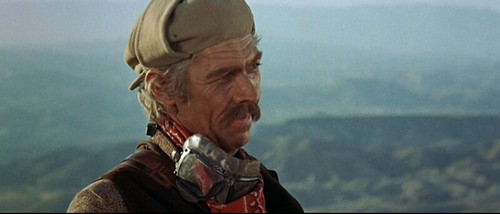
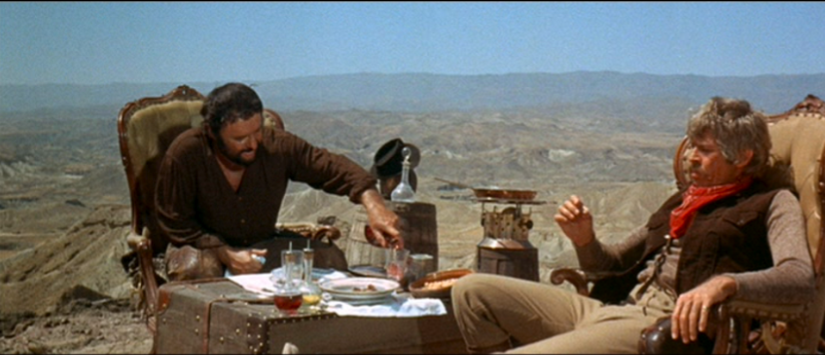
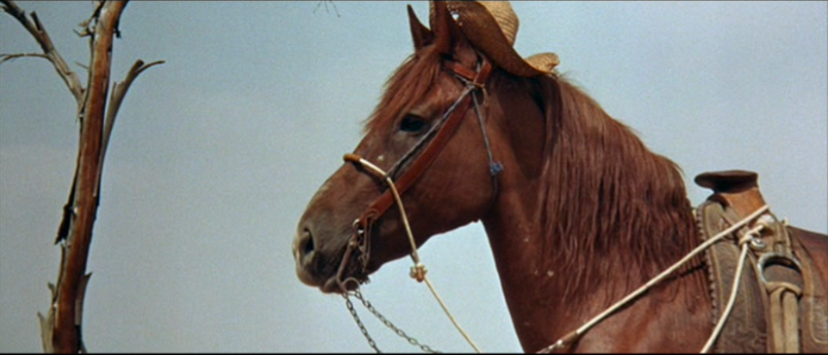
“Duck You Sucker” or DYS, was Sergio Leone’ second movie in the “Once Upon A Time...” series. The first one being the 1968 movie, “Once Upon A Time in the West” which starred the legendary actors Henry Fonda, Charles Bronson, Jason Robbards and Claudia Cardinale. Duck You Sucker was originally titled “Once Upon A Time A Revolution” but the American studios decided against the title because they thought the title was too “Leftist”. DYS was released in 1971 and it stars James Coburn and Rod Steiger as the dual main leads. Many film critics and Leone fans have regarded DYS as Leone’s first Zapata western, which is a sub-genre of westerns that are set in the times Mexican revolution of the 1920s. Sergio Leone is known more for his “Dollar Trilogy” namely “A Fistful of Dollars”, “For A Few Dollars More” and the epic “The Good The Bad and The Ugly” and the “Once Upon A Time In The West” and this movie happens to be his lesser known film. The musical score in the movie was provided by the famous music director and a class-mate of Leone since his early school days, Ennio Morricone, who had also composed soundtracks for his earlier films. For some reason, DYS is a hugely underrated film that does not enjoy the popularity of Leone’ other films. Not that it is any inferior in any sense of the word, compared to his other works, in fact it stands on its own and completely alone.


The film begins with a poor Mexican peasant getting a ride in a luxurious horse driven omnibus, passing through the dry and arid Mexican landscape. He is ridiculed by the upper class bourgeoisie passengers, who mock him for being an uneducated, uncultured, undiscerning fool and as one of the passengers says “unfortunate brutes”. The whole stagecoach sequence is powerfully shot and acted. Leone through his impeccable directorial style articulately depicts the relationship between the feudal bourgeoisie and the clergy in relation to that of the poor and the down-trodden masses and how they view them, sitting in comforts of their ivory towers, as nothing more than animals fit for exploitation for their own satisfaction of their greed and advancement of their wealth and property.


Juan Miranda (Rod Steiger) is a ruthless but a bumbling yet a likable bandit chief. He has one big dream, the only goal in his life and that is to rob the Bank of Mesa Verde. On his way, he meets an Irish revolutionary on the run, Sean Mallory (James Coburn) who is also a dynamite expert and is wanted by the British government for his involvement in the activities of the Irish Republican Army. Juan understands Mallory’ skills with dynamite and sees him as a valuable asset to his group and his mission to rob the bank of Mesa Verde. After a couple of runs and chases, the two eventually get together and accomplish a successful raid in the bank. Unbeknownst to Juan, he released hundreds of the political prisoners kept in the make shift jail in the Bank of Mesa Verde and he has suddenly become the most famous leader of the revolution. Now whether he wants it or not, he has been sucked into revolution and he has no choice getting out of it much to his personal dismay.


The movie has many subtle themes of friendship, trust, loyalty and faith. For the first time in a Leone film we see characters undergoing a change in their innate personality. Juan undergoes transformation from being a greedy and a ruthless bandit to a fighter participating in a revolution. The film does not have heavy dialogues, no boring political commentary, no needless sermonizing but only situations and how they have profound effect on us and how they force us to think and act differently.


Leone, who grew up in Fascist Italy under the rule of Benito Mussolini, was a sympathizer of the leftist cause, leaves no room to express his distaste for those “pseudo-leftists” and “pseudo-revolutionaries”. In one scene in the film, a character remarks “People who can read books tell people who cannot read books, that time for change has come. They talk and talk, eat and eat and what happens to the poor people? They are dead!”. 


Also to note is the Sergio Leone' use of artistic impressions of “Surrealism”. Sergio Leone was no doubt a product of the new wave movement of neorealism in Italian cinema post WWII. Sergio Leone was also a great admirer of the works of surrealist painters such as Giorgio Di Chirico and Salvador Dali and tried to incorporate the surrealist art in his movies starting from “The Good The Bad And The Ugly” to “Once Upon A Time In The West” and then again in “Duck You Sucker”. The film has all the trademarks of Sergio Leone, the extreme close ups of face and the eyes of the actors, use of arid, desolate landscapes, use of non-actors, minimalist dialogues, sudden gun fire etc. Of course, no mention of a Leone film is complete without the mention of film’s soundtrack and its composer Ennio Morricone. “Gui La Testa”, “Invenzione Per John” and “March Of The Beggars” are some of the best tracks ever composed for a film. “Invenzione Per John” is just a superb composition that would take a listener to a completely different plane of consciousness and the composition is the very heart of movie. Perhaps it is “Invenzione Per John” that makes the movie more than ever likable  It is hypnotic, it is soothing and it is calming and yet at the same time it arouses your creative instincts.


In all Duck You Sucker is a movie that is paced enough from the beginning. It takes its own time for characters and situations to develop and though it may slow down a bit in intervals but that is hardly noticeable. This is one Leone movie that needs to be seen by one and all along with his other well-known movies. 

All Images Courtesy: Google.

Tuesday, March 12, 2013

हिन्दू धर्म के समाज सुधारक आन्दोलनो का यथार्थ

अक्सर धर्म/मज़हब को लेकर जब मित्रों, रिश्तेदारों, विभिन्न संवाद मंचों के सदस्यों से वाद-विवाद होता तो मैंने अक्सर देखा हैं की समाज सुधार आन्दोलन वाली बात को हिन्दू धर्म की एक विशिष्टता के रूप में देखा जाता हैं। आदि शंकराचार्य, रामानुजाचार्य, स्वामी दयानंद सरस्वती, स्वामी विवेकानंद, रामकृष्ण परमहंस , राजा राम मोहन रॉय इत्यादि का नाम लिया जाता हैं और कहा जाता हैं की जहाँ अन्य धर्मो में संशोधन/सुधार का कोई मार्ग नहीं हैं, वहीँ हिन्दू धर्म में समाज सुधार के आन्दोलन चलाये गए हैं और यह हिन्दू धर्म की उदारता, सहिष्णुता और उसके लचीले होने का प्रमाण हैं।

इस विषय पर, बिना किसी द्वेष/पूर्वाग्रह के बाद गहन से सोचने पर मुझे लगता है की यह कथन बिना किसी ठोस प्रमाण के आज तक काफी हिन्दुत्ववादियों में काफी लोकप्रिय हैं और यह बात समय समय पर हिन्दू धर्म को, अन्य धर्मों से, श्रेष्ठ साबित करने के लिए दोहराई जाती हैं। लेकिन मैं इससे पूर्ण रूप से असहमत हूँ कि इस तरह की सोच किसी ठोस आधार पर खड़ी हुई हैं।

अगर हिन्दू समाज में सुधार के इतने आन्दोलन चले तो क्यों नहीं जाति व्यवस्था ख़त्म हुई? क्यों नहीं दलितों और शूद्रों का शोषण ख़त्म हुआ? क्यों नहीं सवर्णों का प्रभुत्व ख़त्म हुआ? क्यों नहीं हिन्दू महिला को उनके उचित अधिकार मिले? क्यों नहीं धर्म को समाज सेवा के लिए लगाया गया ना कि की समाज के शोषण के लिए? अगर हम बिना किसी पूर्वाग्रह और द्वेष के देखे तो इन तथाकथित समाज सुधारकों का बृहद हिन्दू समाज में कोई प्रभाव नहीं पड़ा। हाँ कुछ शिष्य और कुछ अलग पंथ बन गए पर हिन्दू बहुसंख्यक समाज में इन आन्दोलनो प्रभाव बेहद सिमित रहा, इतना सिमित की अलग अलग छोटे छोटे पंथ बन गए जो समय के चलते कहीं खो गए। आदि शंकराचार्य को शायद समाज सुधारकों की पंक्ति में न खड़ा किया जाए, क्योंकि उनके पूरे जीवन का लक्ष्य था बौद्ध मत के बढ़ते प्रभाव को रोकना और ब्राह्मणवादी व्यवस्था को फिर से भारतीय जनमानस की चेतना में स्थापित करना। दयानद सरस्वती, रामानुजाचार्य, चैतन्य महाप्रभु इत्यादि भी अपनी तरफ से कोशिश की लेकिन वह भी कोई प्रभाव नहीं छोड़ पाए। एक लेख पढ़ रहा था, स्वामी विवेकानंद की जीवनी पर और यह वाकया उस समय का हैं जब वह अपने गुरु रामकृष्ण परमहंस से उन्होंने शायद किसी अति-सुरक्षित पंथ की गतिविधियों के बारे में प्रश्न किया तो रामकृष्ण परमहंस ने विवेकानंद से कहा की जैसे घर के भीतर जाने के एक से अधिक द्वार हैं वैसे ईश्वर तक पहुचने के उतने ही रास्ते हैं, भंगी घर के पिछले दरवाज़े से आता हैं पर तुझे वहां से प्रवेश करने की ज़रुरत नहीं। ऐसा भीषण, दलित/शूद्र विरोधी मानसिकता के लोग समाज में सकारात्मक परिवर्तन कैसे ला सकते हैं और यही रामकृष्ण परमहंस को समाज सुधारक का दर्ज दिया जाता हैं।आजकल के पूंजीवादी युग में तो सुधारकों की बाढ़ से आ रखी हैं जिनके नाम मैं नहीं गिनना चाहता।

हिन्दू धर्म में कोई सामाजिक आन्दोलन इसीलिए नहीं सफल हो सकता क्योंकि जातिवादिता, पितृसत्ता, सामंतिवाद में हिन्दू धर्म को जकड़ा हुआ हैं। हिन्दू समाज सुधार अन्दोलनो ने उसी बासी वृक्ष से ताज़े फल पैदा होने की उम्मीद की जो अब तक केवल सड़े-गले फल ही दे रहा था। जब तक समाज सुधार का आन्दोलन हिन्दू धर्म के दायरे से बाहर जा कर उसपर प्रहार नहीं करता, यह सामाजिक व्यवस्था बदलने वाली नहीं हैं। चाहे रूस की क्रान्ति जो, जिसमे रूसी बुर्जुवा पर निर्मम प्रहार कर उसे धूल -धूसरित किया वहां पर वर्ग रहित समाज को स्थापित किया। अब्राहम लिंकन ने दास-प्रथा के विरोध में अपने देश को गृह-युद्ध की विभीषिका में झोंका। कुछ इसी तरह का सामजिक आन्दोलन भारत में होगा और वह हिन्दू धर्म के दायरे में नहीं लड़ा जायेगा बल्कि उसके खिलाफ, उसकी नींव पर कुठाराघात करने पर ही वह हो पायेगा। हिन्दू धर्म के दायरे में रहकर उसपर जो भी वार किया जाएगा, वह बिलकुल भी प्रभावी नहीं होगा, जैसा की हमारे यहाँ पर कम्युनिस्ट पार्टियां बुर्जुवा लोकतंत्र में भाग लेकर जैसा वह सर्वहारा क्रान्ति ला पाने में असफल हैं, ठीक उसी तरह की सामाजिक क्रान्ति भी दूर की कौड़ी हैं जब तक वह धर्म के दायरे में रह कर करी जाएगी।

Wednesday, October 31, 2012

The Power Of Money - Karl Marx 1844

The Power of Money, an essay written by Karl Marx in 1844, beautifully illustrates the big influence of money in human society and in relationships between the individuals in the human society. Money, which was introduced as a medium of exchange of value, to replace the age old barter system. Barter system was based on people exchanging goods, commodities and services with each other that they perceived to be equal and square in value and utility. The barter system required both the parties to actually produce something that had utility and use for the other party. While, the system was good because it required each member of the society to produce something in order to acquire something else exchange for the produced good. There were times when the system was simply inadequate to determine the value of the commodities exchanged and to make sure that transaction was fair, simple and balanced for both the parties. Money was introduced to overcome this inadequacy of the barter system. A manufacturer, say a weaver could sell cloth for 'n' value and then take the money and buy commodities and goods for himself at 'n' value from another party. This way, the commodity could be sold for a price agreed between the two parties in exchange for a value represented by money, which in turn could be used by the seller to buy commodities and goods as per his needs. The transition from barter system to money based exchange value was a revolutionary step, as it gave freedom to both the buyer and seller to buy and sell things without being bothered to find someone who would exchange the goods for the goods they produced at an agreed value. One could buy yards of cloth and pay the weaver, who could then in turn buy more bales of cotton and silk, plus with extra money buy goods for his and his family's personal use. So far so good. Money played a very convenient role in economy as the medium of exchange and people were at last free to buy things they needed without having to bother to produce something that the seller might be interested in trading his goods with.


So, where did the money begin to change its characteristics and became a medium of influence in the society from its intended purpose of serving as a medium of exchange? The main reason that money went on to become a medium of influence is because of the inherent value associated with it. It has its own value. It can hold on to its value in total isolation and hence it has that innate property to buy everything. If a hungry, homeless man finds a bank currency note of Rs 100. He can instantly buy himself food, clothing and shelter if possible. The "value" equivalent to 100 rupees is intrinsic to that currency note. Karl Marx notes that "Money is the procurer between man’s need and the object, between his life and his means of life." It is because of this characteristic of money, it acquires godly, magical status. A possessor of money becomes respected because 'money' is respected. One who has money is considered worthy, because the "money" he has is considered worthy. A capitalist may not know a single thing about the machinery in his factory, he may not know anything about coding, application development or building/designing hardware but with money he can buy himself people who would work for him and let him appropriate profits. Money also creates "demand". If I want to study I need to have money to pay for my studies and if I do not have money, I have no real demand or desire to study. Such is the nature of money that it dictates whether an individual has a need or does not have a need by the mere virtue of its possession by an individual.

With inputs from Marxist.Org

Monday, July 2, 2012

An Ode To Japanese Film Directors - Part II

When we speak of the Japanese cinema, Kurosawa' name is the one that gets the first mention. While, Kurosawa rightfully gets the due credit for his highly immense and influential contribution to the world cinema, we have to look at the works of his contemporaries, who were as good as Kurosawa, if not better. This writer has not seen much of the Masaki Kobayashi's work apart from Samurai Rebellion, Harakiri and Kwaidan, while Human Condition, an epic war movie, depicting the insanity and the savagery of war, is on the "wish list".

This writer's first introduction to Masaki Kobayashi was through the 1968 flick "Samurai Rebellion". The only reason this movie was picked up, was because it featured actor Toshiro Mifune in the lead (after his parting with Kurosawa post-Red Beard) whose acting mettle had left me indelibly impressed in the earlier Kurosawa movies. The movie also had Tatsuya Nakadai, in an important cameo. The movie is about an aging Samurai (Mifune) who is asked to have his young son marry the wife of the feudal lord, as she had insulted him, earning herself banishment from the clan. After much opposition from Mifune's wife, the family finally have their son marry the ex-wife of the feudal lord. While the new family adjusts itself with their daughter-in-law, the house of the feudal lord demands that she come back and what follows is battle for family pride, honor, love and sacrifice. While, this writer saw many parallels between the styles of Kurosawa and Kobayashi and the movie nonetheless leaves impressed with the story line, acting, editing and directing. If shown to an unknowing audience many will relate this feature to Kurosawa.

Impressed with Masaki Kobayashi's style of story-telling and directing, left this writer wanting for more. The next movie in the line was, Harakiri (Seppuku) released in1962. It is a brilliant masterpiece, that is miles ahead of any other Samurai film made in that era, even Kurosawa flicks might not be close to it by a mile. The film features another great actor from the sixties era, Tatsuya Nakadai, int he lead role and is perhaps one of the finest tragedies ever depicted on celluloid in the history of cinema. If you just wanted a Samurai story perfectly blended with poetic tragedy, this is the movie. The movie starts with an old and half fed, aged samurai swordsman who comes to the house of a feudal family, requesting to commit "Seppuku" or Harakiri. The people of the house of Iye try to discourage him from committing "Harakiri" by recounting the tale of an earlier "Ronin" who came to their place asking to commit harakiri but instead wanted to extract some money out of the house. A "Ronin" is basically a "Samurai" or a "Bushido" but one who has lost his master due to death, defeat in battle etc. With a loss of a pay-master, a Samurai or a Bushido was considered a "Ronin". Many unscrupulous ex Samurais and Bushidos came to the house of rich people asking to perform "Harakiri". Many households abhorred the idea of someone committing suicide in their premises and usually paid money to the Ronins to go somewhere else to do the act. The officer tells the old man the story of a coward "Ronin" was moving around with nothing but a bamboo made sword and to teach him a lesson they "forced" him to commit harakiri with his own bamboo sword and made him suffer a painful, slow and a horrible death. The aged Ronin is still adamant at committing the act of harakiri and the feudal household  heeds his request and they ask him, if he would like any man to act as his second (the samurai who will severe his head when he has cut his entrails) The aged Ronin takes names of three of the members of Iye clan, but as the story unfolds, we come to know that all the second man requested by older samurai are at home, down with some terrible illness, wanting to see or meet none one and that aged Ronin definitely has something up his sleeve.

Harakiri is like an exquisite wine. It takes it own sweet time to go down on you and then it intoxicates and stimulates you with an experience that leaves you satiated at the end. It is tragic tale that hits upon the "established" norms for Samurais and how it was convenient to bend the rules to suit one's own mean ends and that honor was nothing more than a facade for these type of people, to hide their own cowardness, their insensitivities, their false bravado. On the other hand the story deals with tender story of relationship, trust, love and respect.  For any person, interested in eclectic, artful, high standard cinema, Harakiri is one of the top options. Harakiri is also a movie that tells a viewer that Akira Kurosawa, though a brilliant director, was not the only director of huge talent and substance to come from Japan and that there were others too, like Masaki Kobayashi.

Kwaidan, is a collection of four ghost stories, another great masterpiece from Kobayashi. The stories all tell the tales of love, betrayal, bravery, trust, faith, loyalty and inner demons. The first story is of a poor Samurai who leaves his loving caring wife and marries the daughter of rich nobleman. Though he has money and wealth, he has no inner happiness and still longs for his wife. He comes back to his house after several years and finds his wife welcoming him lovingly and joyously and he confesses his true love for her and asks for her forgiveness and vows to start a new chapter in their lives together.

The second story is of young woodcutter (Tatsuya Nakadai) and his friend who get caught in a snow storm and take refuge in an abandoned hut. The hut is visited by a ghost woman (Yuki Onno) at night, who kills his friend but spares Nakadai on the promise he will not spit out a word about the incident. Years later, under some strange circumstances, he recounts the story to his wife and finds out a horrifying truth.

The second story is special because it uses surrealist artwork to serve as backdrops for the scenes, almost giving them a fairytale feel.

The third story is of a blind singer, who sings songs of war that took place in ancient times between the two powerful dynasties in Japan. He is called to sing for a noble family every night and one day when he refuses, the ghosts exact a horrifying revenge on him. The segment of the story uses studio sets to beautifully create the aura, the surrounding and the eerie atmosphere essential towards the story telling.

Masaki Kobayashi has not received the attention he deserves and his works are slowly being credited with praise that they rightfully deserve. Kobayashi, like Kurosawa, was a survivor of the WWII and hence his movies have a strong anti-War, anti-Militarist, anti-Authoratarian sentiment in them, in at least in two of the movies, Harakiri and The Human Condition. While, it is too early to say anything on Masaki Kobayashi, as there is a plethora of movies that have yet to be seen by this writer, still three movies mentioned above prove his worth both as a skillful film maker and that he is undoubtedly one of the best directors of the world cinema.